

Special education director support for Minnesota districts and charter schools, compliance oversight, staff supervision, and state reporting from a licensed director.
I get some version of this question at almost every intake call: “So… what exactly do you do?”
It’s a fair question. “Special education consultant” gets used to describe a dozen different jobs, some people mean a due process attorney, some mean a parent advocate, some mean someone who fills out paperwork for a district. I’ve spent my career on the inside of special education systems, as a paraprofessional, a teacher, a coordinator, and a director, across traditional districts, charter schools, residential programs, and juvenile diversion settings. So here’s my answer, in plain language, with no jargon padding.
The short version of special education consulting
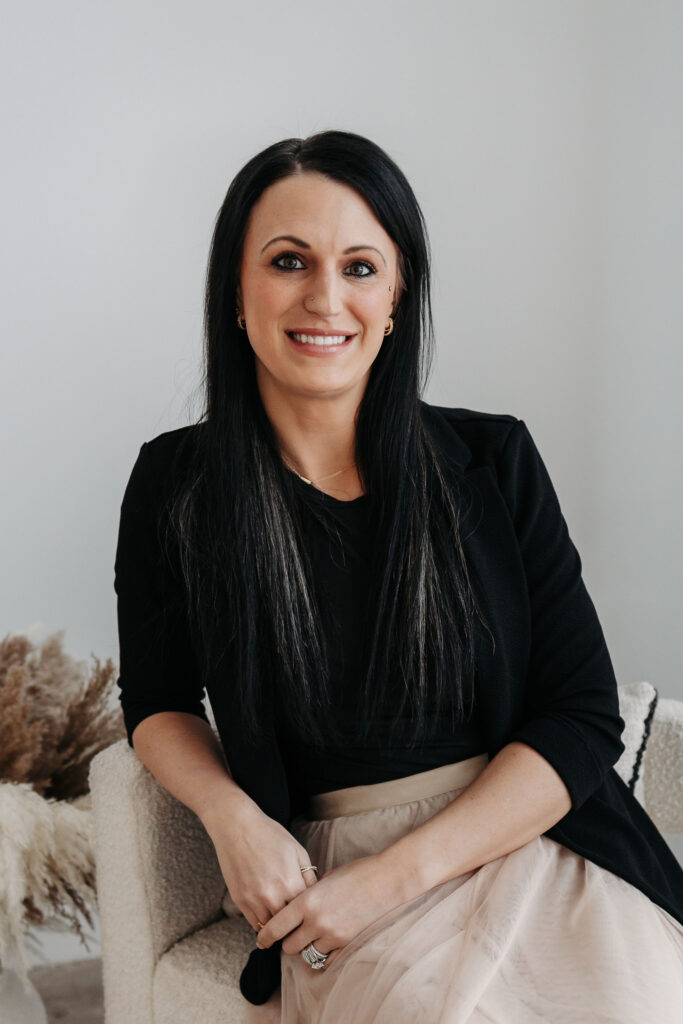
A special education consultant is someone districts, schools, and families bring in to do one of three things: fill a gap in expertise or staffing, fix a system that isn’t working, or build capacity so the people already in the building can do the work well without me. If I’ve done my job right, you need me less over time, not more.
What special education consulting looks like in practice
Leadership support. Some districts and charters don’t have a full-time special education director, or their director needs coverage during a leave, a transition, or a growth spurt the current team wasn’t staffed for. I step into that role, sometimes for a few hours a week, sometimes as ongoing monthly support, handling compliance oversight, staff supervision, state reporting, and the dozens of decisions a director makes that most staff never see.
Program and coordinator support. Coordinators are often stretched across too many buildings and too many student files. I help them build systems for evaluation timelines, for IEP quality, for staff caseloads, so the program runs on a process instead of running on adrenaline.
Specialist services. Some needs require a specific lens, autism spectrum disorder, physical impairment, developmental cognitive disability, emotional or behavioral disorder. I bring that specific expertise into a case, a classroom, or a staff training when the team needs it.
Independent educational evaluations. Schools and families both come to me for this. An independent evaluation gives an outside, credentialed look at a student’s needs, separate from the team that’s been closest to the case.
Professional development. SPED 101 for new staff, disability-specific training, CPI, and support for Special Education Advisory Councils. Most of the special education problems I see in a system didn’t start with bad intentions, they started with a gap in training.
If you’re considering bringing in outside support, here are 5 questions that will help you decide what type of support is needed.
What a special education consultant does not do
I’m not a substitute for your legal counsel, and I’m not a due process advocate representing one side against the other. I work within Minnesota and federal special education law, IDEA, Minnesota Statutes Chapter 125A, and the standards your district or authorizer already answers to and I’m licensed in special education, K-12 administration, and special education direction. But if a case is headed toward litigation, that’s a different professional than me, and I’ll tell you that directly.
Why districts and families bring a special education consultant in from outside
Because sometimes the person who best sees a system’s blind spots is the person who isn’t living inside it every day. I’ve built systems from the ground up, including helping launch a project-based, teacher-led charter school and I’ve walked into systems that were already struggling and needed someone to name what wasn’t working, calmly and clearly, and then help elevate what already works, while building systems to ensure longevity.
Special education is rarely a symptom problem. It’s usually a systems problem wearing a symptom’s clothes. That’s the lens I bring to every engagement.
If you’re a special education director, coordinator, or family in Minnesota trying to figure out what kind of support you actually need, get in touch, I’m happy to talk through it, no obligation.

leave a comment
+ show Comments